
Did you know that matcha tea can be used for more than a cup of tea? In this article, you will learn how you can bake with matcha tea powder to create stunning, flavourful and unique creations. You will also learn the difference between the various grades and which one may work better in certain recipes.
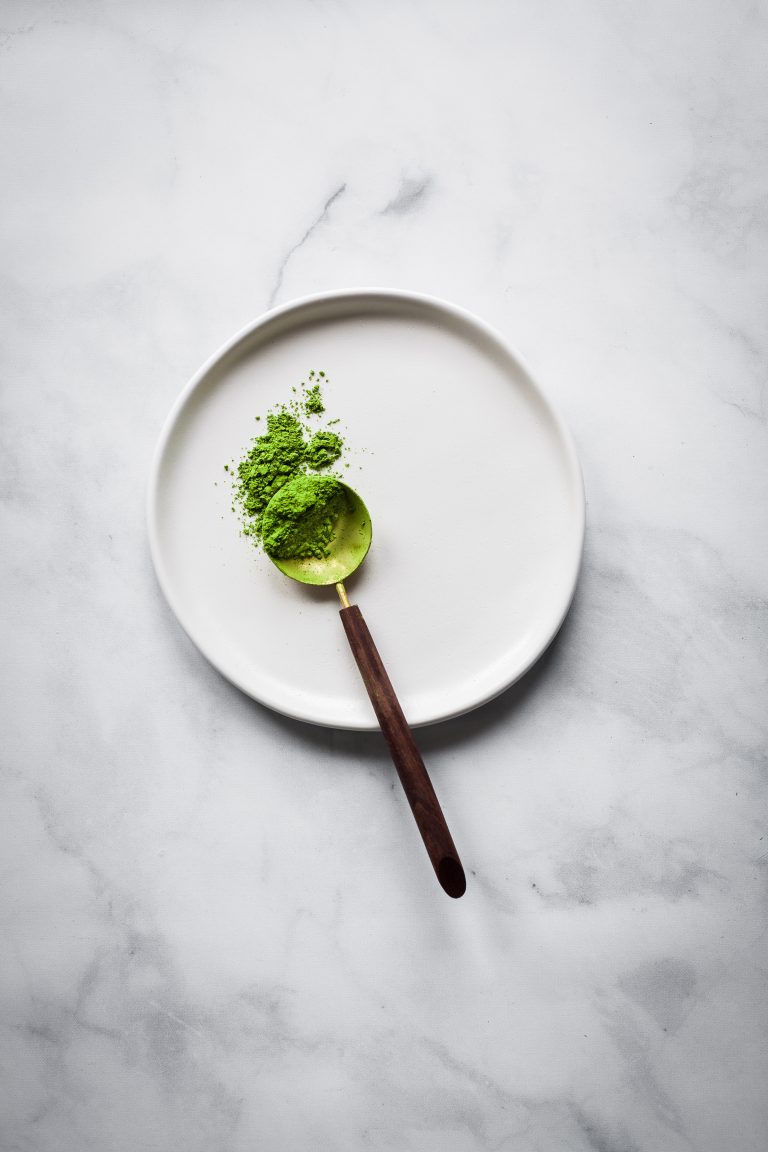
Why Bake with Matcha Tea Powder
It was several decades ago when I was first introduced to matcha tea. Back then, it wasn't as common in coffee shops or easy to find in the local grocery store; I often had to special order it. Today, it is much easier to source and continues to grow in popularity for it's earthy flavour, beautiful vibrant colour and nutritional qualities.
With time, I learned that matcha powder could be used for more than making tea. And, thereafter, I was captivated by the idea of creating matcha tea cupcakes, biscotti, cakes and smoothies. Here are a few reasons why you may want to give baking with match tea a try:
- Flavour: matcha powder is an easy way to add green tea flavour to baked good. It also flavour pairs well with vanilla, ginger, chocolate and lemon.
- Color: matcha tea powder can add a natural pop of green to cookies, cakes, frostings or glazes. Because the chlorophyll is so concentrated, a little goes a long way.
- Interest: There’s something to be said for taking a simple recipe and giving it new life. Adding matcha to a recipe's dry ingredients will transform the final result into something unique and interesting in both flavour and appearance.
- Nutritional content: There is scientific evidence demonstrating that matcha powder is high in antioxidants due to its higher levels of chlorophyll. However, whether these antioxidants stand up to the high temperatures of baking is yet to be determined. But, let's not kid ourselves, a cookie is a cookie anyway.
How to Use Different Grades of Matcha Tea
There are three main grades of matcha tea: ceremonial, premium and culinary. Distinguishing between the three is key; they each contain different amounts of chlorophyll which will impart varying degrees of colour and flavour to your baking. It is also worth noting that there is no high and low quality matcha powders, rather, the grades refer to different kinds of matcha with different purposes.
Ceremonial Grade Matcha Powder
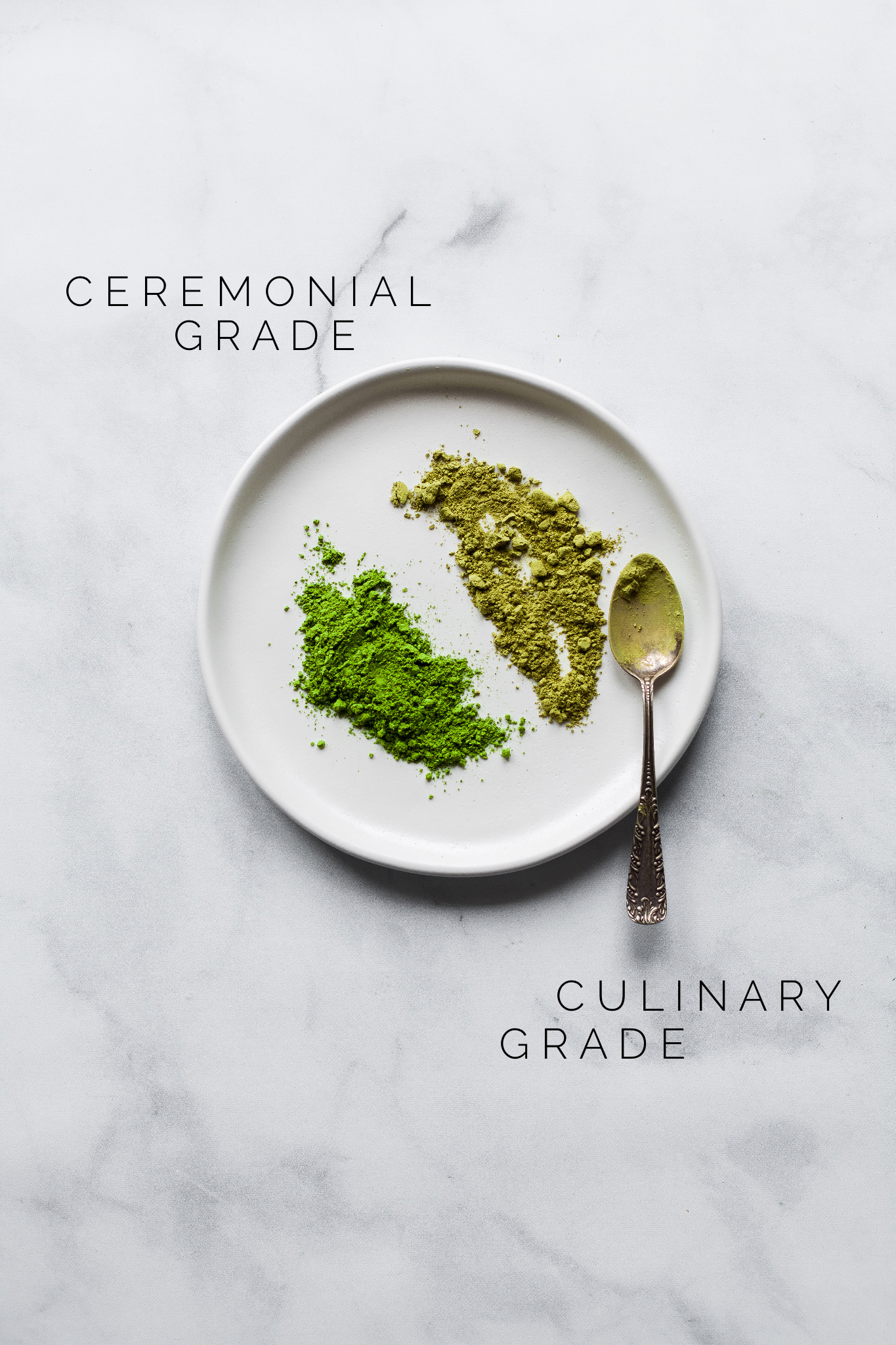
Ceremonial grade matcha is made from the tender young leaves of the camellia sinesis plant, which are harvested first in the season. These leaves have higher chlorophyll content which gives ceremonial matcha it's brilliant green power and slightly sweet undertone. Ceremonial grade is very finely ground making it smooth and easy to blend into hot liquids or dry ingredients. It is also the most expensive grade, which often leads home bakers to resort to a premium or culinary grade to impart flavour and colour without breaking the bank.
Premium Grade Matcha Powder
Premium grade matcha is made from leaves of the second harvest. The final product is similar to ceremonial however it is slightly less bright, less fine and, in terms of flavour, more robust and bittersweet. It's lower price point makes it more economical for everyday use. Plus, it's stronger flavour allows it to shine amidst other ingredients like chocolate.
Related: Vegan Matcha Tea Cupcakes
Culinary Grade Matcha Powder
Culinary grade matcha or cooking grade matcha is the least vibrant and least finely ground variety. It is made from the third harvest of leaves which results in it's less bright colour and more astringent flavour compared to the other two grades. This is the least expensive matcha powder available making is very economical. Culinary matcha powder should always be sifted to remove the clumps before adding it to liquids or dry ingredients.
While culinary grade is usually sufficient, ceremonial and premium grades will yield a brighter colour and deeper flavour than culinary grade. For the sake of colour alone, the added expense of premium or, if you must, a ceremonial grade is worth it. I have also found little difference between ceremonial and premium grades when baking, so I always opt for premium for cost reasons.
The image below illustrates the difference in colour brilliance and texture between the ceremonial and culinary grades.
Baking with Matcha Tea Powder
The below examples are meant as guidelines and not strict measurements. The amount of matcha powder used in any given recipe will depend on the recipe itself, the quantity made and the amount of matcha flavour you're after. The aforementioned will dictate how much matcha powder to add which is subjective according to your own personal taste. Use your best judgment when experimenting.
- Cookie dough: sift culinary or ceremonial grade powder into the dry ingredients. About 1-2 tablespoons for a standard recipe of 24 cookies.
- Cake batter: for an 8-9" cake, sift in approximately 1 tablespoon of matcha powder for each layer into your dry ingredients (2 layers = 2 tablespoons). You may need to slightly adjust the liquids to compensate for the additional dry ingredient. For the a vibrant green colour, use ceremonial or premium grade like in my vegan matcha tea cupcakes.
- Granola: sift in ~2-3 teaspoons of culinary or premium matcha powder to your granola mixture before adding wet ingredients. The amount will vary depending on the amount of granola you are making.
- Frosting, Glaze & Garnish: matcha powder sifted into powdered sugar glazes or frostings will provide a beautiful green colour. Opt for premium grade if you can. As a simple garnish, sift a dusting of matcha over your finished baked goods for colour and flavour.
- Pie & tart crust: sift matcha tea powder into your flour mixture before blending in the fat and water. Use roughly 1 tablespoon for a single layer 9" pie crust (double the amount for a double crust).
- Pudding: whisk 1-2 teaspoons of matcha powder to the hot milk or milk alternative while preparing the pudding. Use premium grade for colour and flavour or culinary grade for flavour alone.
- Ice Cream: sift in ~2 teaspoons of matcha powder to 1 cup of milk or milk alternative. Bring to a slight simmer while whisking to infuse the milk before adding it to the rest of the ingredients. Follow the instructions on your ice cream maker. Use ceremonial for colour and flavour or culinary grade for flavour alone.
Important Note
Matcha & Caffeine
While the amount is less than an average cup of coffee, matcha tea powder does contain caffeine. And because caffeine is rather heat stable, it remains active even after baking. Depending on the amount used and the individual, some desserts made with matcha may not be suitable to consume, especially for children or those that have to avoid caffeine due to medical reasons or due to sensitivity.
About Heidi Richter
Hi there! I'm Heidi, the professional recipe developer, food writer and photographer behind The Simple Green. Here you will find dozens of flavourful, approachable and well-tested recipes inspired by fresh seasonal ingredients you know and love.