Rich and flavourful homemade marinara sauce can be made with a few simple ingredients. Perfectly textured and balanced with aromatics and Italian herbs, this fresh tomato marinara sauce recipe may rival the best jarred ones out there. Makes approximately 4 cups (1 quart).
Yields 4 cups
Prep Time 25 minutes | Cook Time 1 hour | Total Time 1 hour 25 minutes
Why this recipe works
When the end of summer arrives and my counters are overrun with tomatoes, it's time to make marinara sauce. This recipe simmers down over 4 pounds of fresh tomatoes at their peak ripeness and, best of all, it can be stored in the freezer for those chilly evenings when a comforting bowl of pasta seems to be the only answer to "what's for dinner".
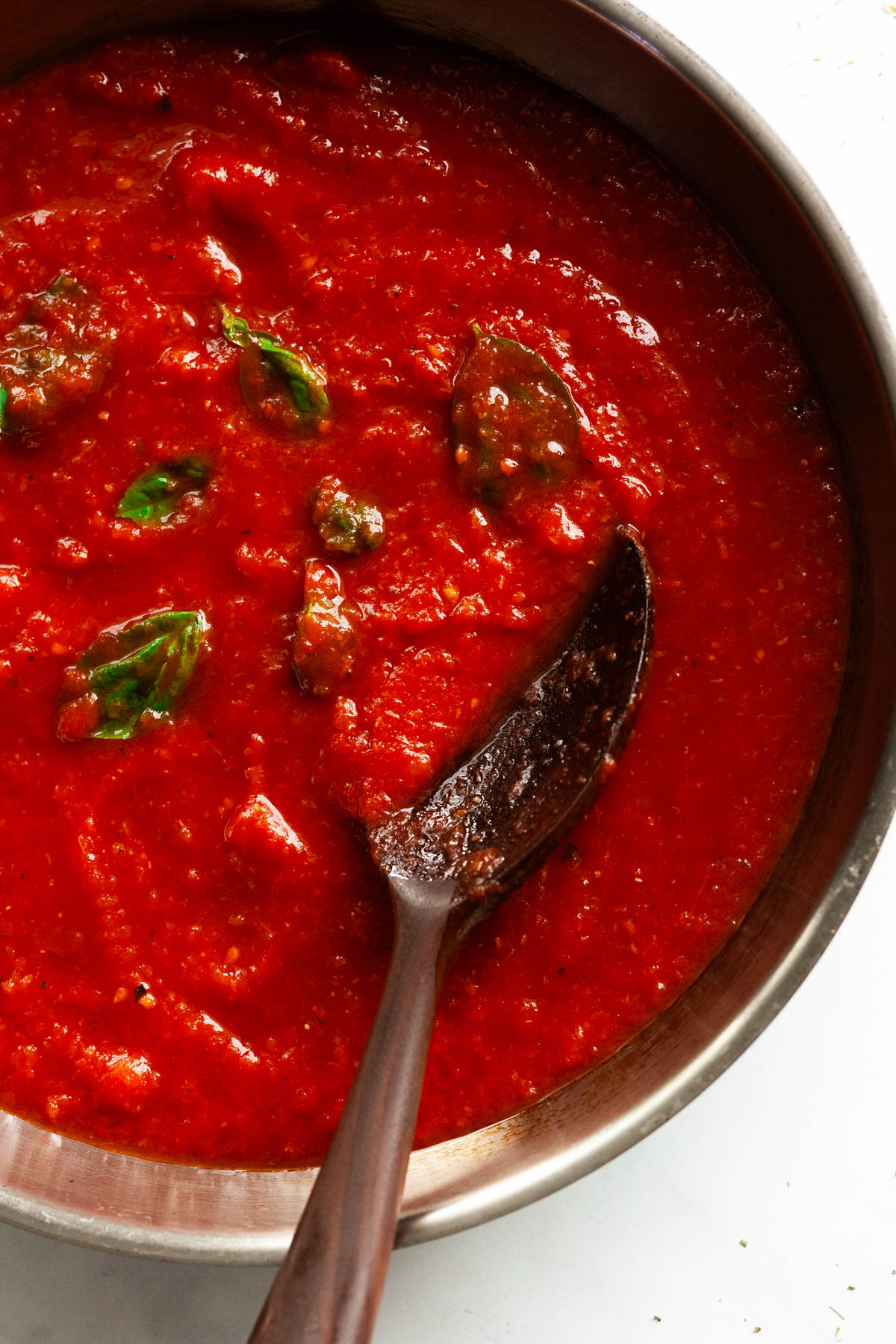
Perfectly balanced, rich, smooth and flavoured with classic Italian herbs, this homemade fresh tomato marinara sauce clings to tradition (and pasta) bringing a mellow yet robust tomato flavour without being watery, overly sweet or tasting of "tomato juice" (if you know, you know). The natural acidity of tomatoes is balanced and enhanced perfectly without sugar; the right amount of aromatics and cooking time do this on their own.
Instead of blanching and peeling tomatoes like traditional marinara sauce recipes, squeeze and mash them in a big bowl, removing skins as you go. It's a bit of a messy step, albeit cathartic, that works just as well as boiling and peeling.
Aside from sauteing onions and garlic, the remaining cooking time is relatively hands off as it simmers for an hour to produce a lush, mellow sauce perfect for tossing with pasta or using in recipes. This fresh tomato marinara sauce is so simple to make it might make you wonder why you ever bought it.

Ingredients & Substitutions
This classic marinara sauce with fresh tomatoes is made with a handful of simple ingredients. For the full list and proportions of each, head to the recipe card below or use the Jump to Recipe button at the top of the page.
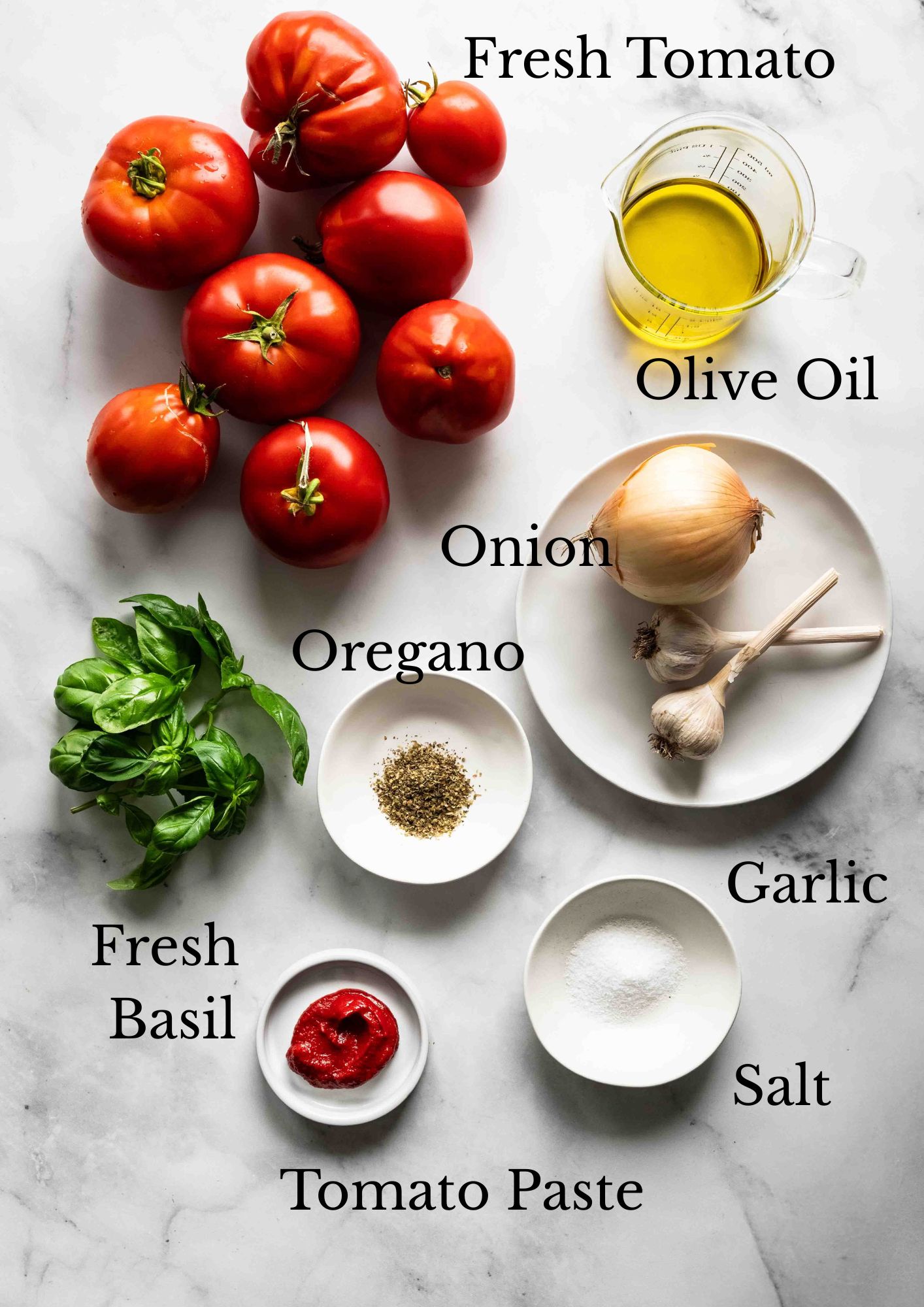
- Fresh Tomatoes: Italian plum or paste tomatoes (Roma, San Marzano, Amish Paste) make excellent sauce due to their denser flesh and fewer seeds. Quality, in season, ripe tomatoes will have the best flavour. Using Canned Tomatoes: If tomatoes are out of season, use quality tinned whole peeled Italian plum tomatoes canned in their own juice (approximately 2.5 x 28oz cans will suffice). Avoid tinned tomatoes with added flavourings or spices or those with prepared tomato juice.
- Olive Oil: good quality extra virgin olive oil brings flavour, body and richness to the sauce and gives it a silky texture.
- Onion: yellow onions have pungency and slight sweetness which is necessary to balance the natural acidity of tomatoes. I give a precise amount because too much onion will inevitably overpower and unbalance the final flavour of the sauce.
- Garlic: this adds an additional layer of flavour which is essential to classic marinara sauce. Finely dice the garlic rather than grating it on a microplane grater; this releases it's flavour and develops it's mild sweetness while simultaneously helping prevent burning or browning while sauteing.
- Tomato paste: this adds a robust tomato flavour, slight sweetness and smoothness to the final sauce. Sauteing the tomato paste with the onions and garlic creates a flavour packed, slightly sweet tomato "bouillon" which ultimately balances the acidity of the fresh tomatoes.
- Kosher Salt: important for enhancing and brightening the flavours. I use Diamond Crystal kosher salt which is lighter than regular sea salt. If you use sea salt, start with half the amount and adjust it as needed thereafter.
- Dried Oregano: adds punchy, earthy, notes and is rather easy to find. It's also more deeply flavoured than fresh oregano. It's one of the best herbs for seasoning tomatoes, along with...
- Fresh Basil: dried basil is nowhere near as flavourful and aromatic. Don't substitute this one.
How to Make Marinara Sauce with Fresh Tomatoes
This recipe comes together quickly, however, a slow simmer for about an hour is necessary for the best flavour and texture. The full detailed directions for my homemade marinara sauce with fresh tomatoes can be found in the recipe card further down the post.
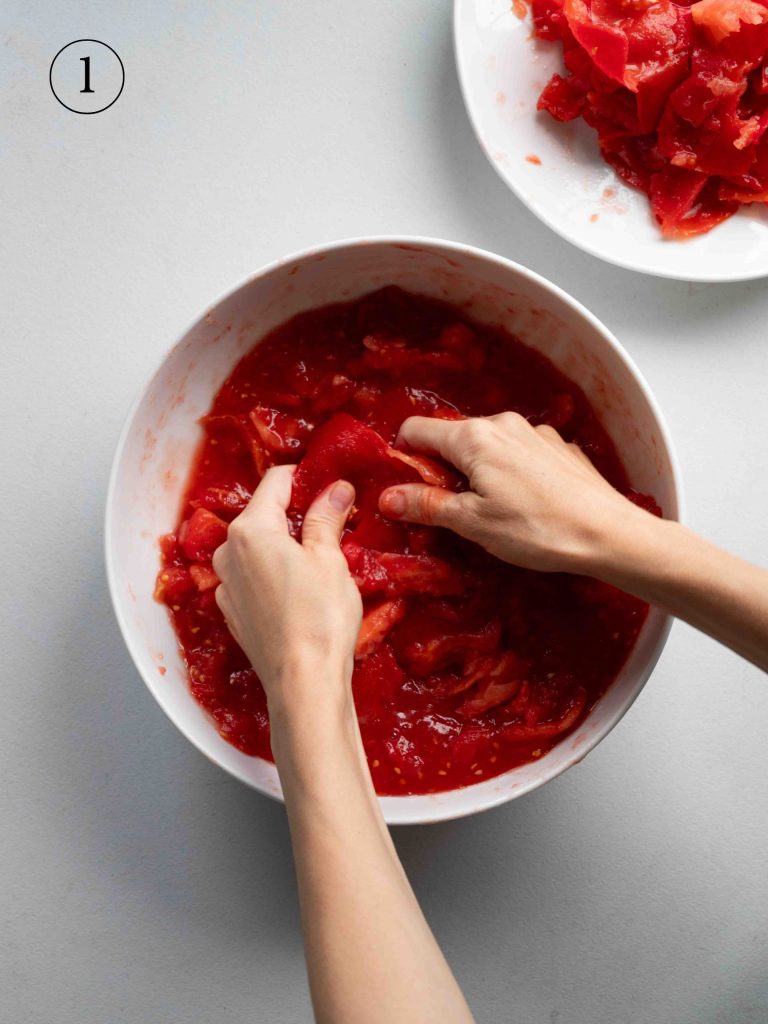
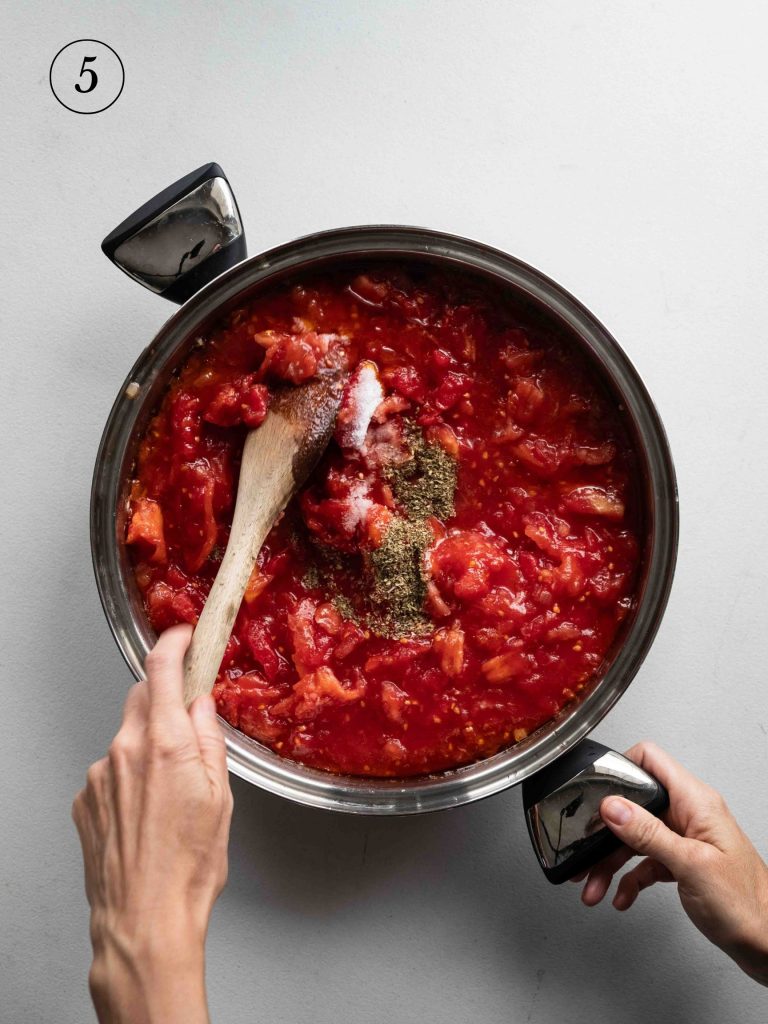
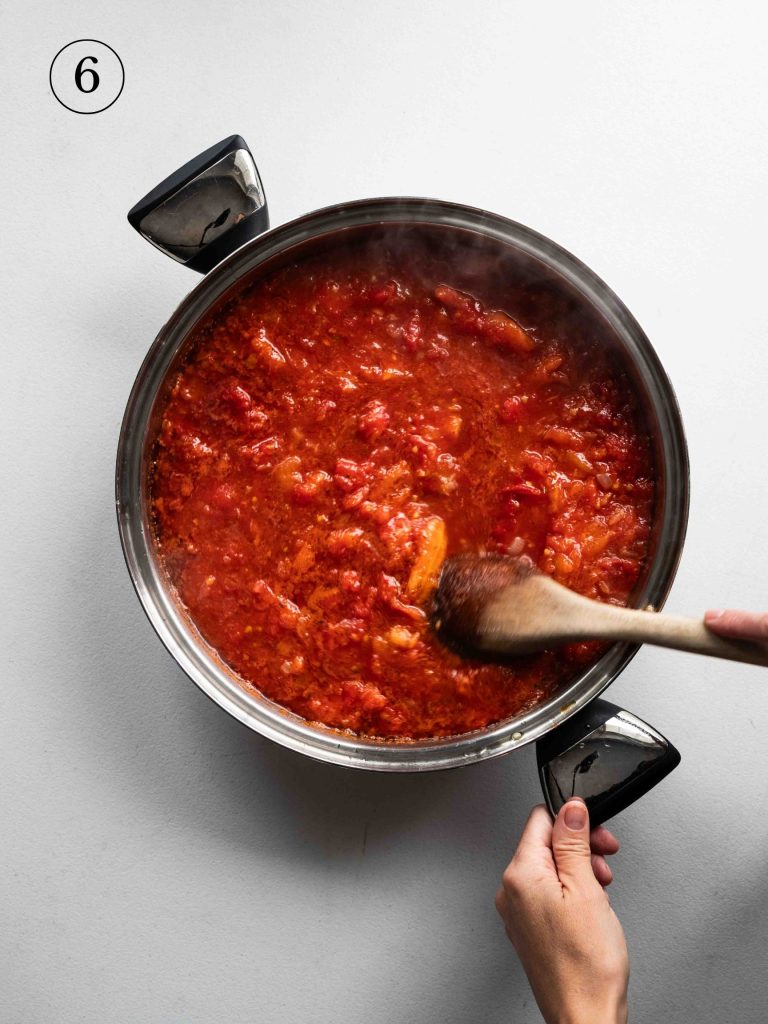
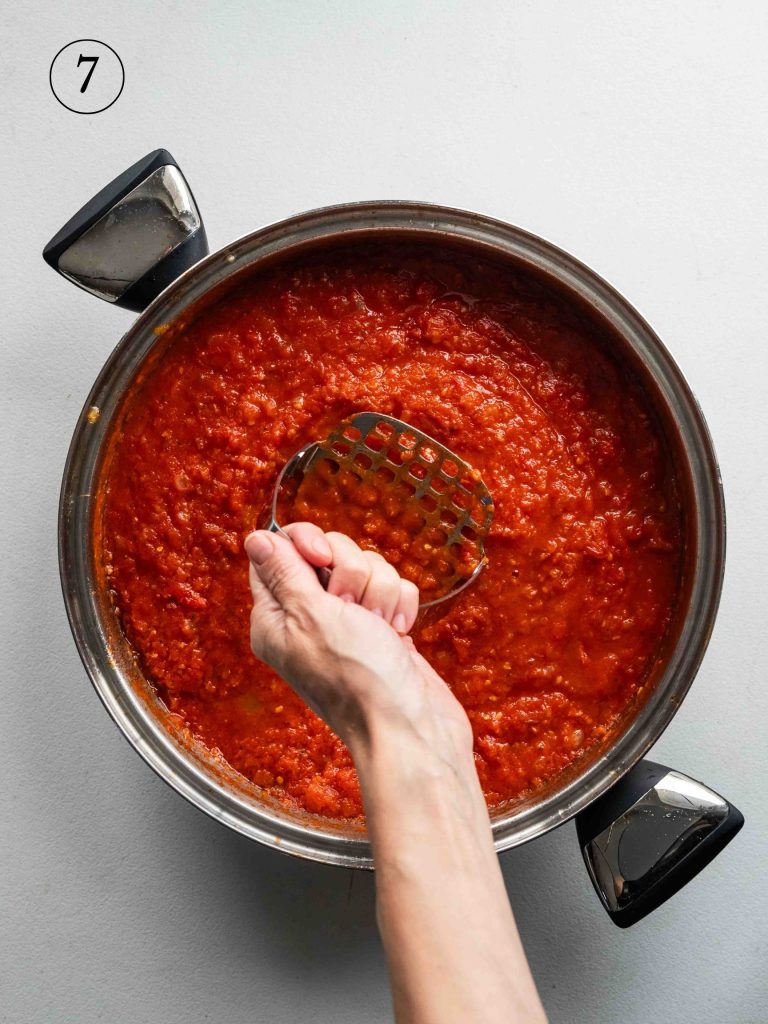
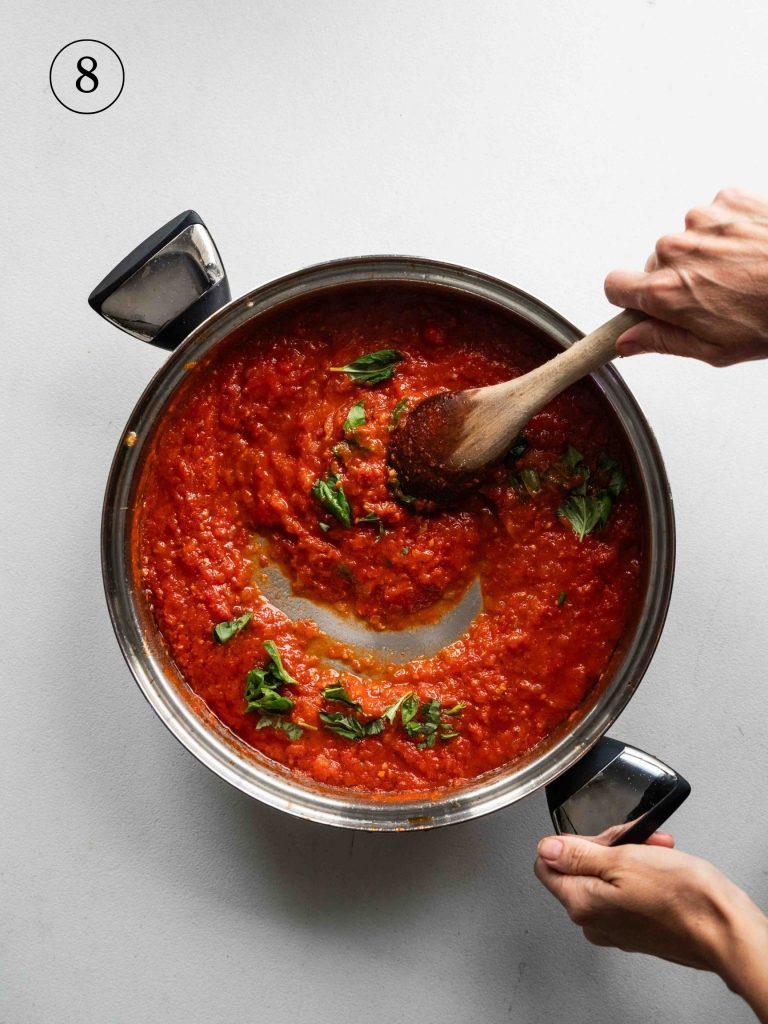
- Remove as many of the seeds as possible from the tomatoes. Then, squeeze and mash them, taking care to remove the skins and woody bits.
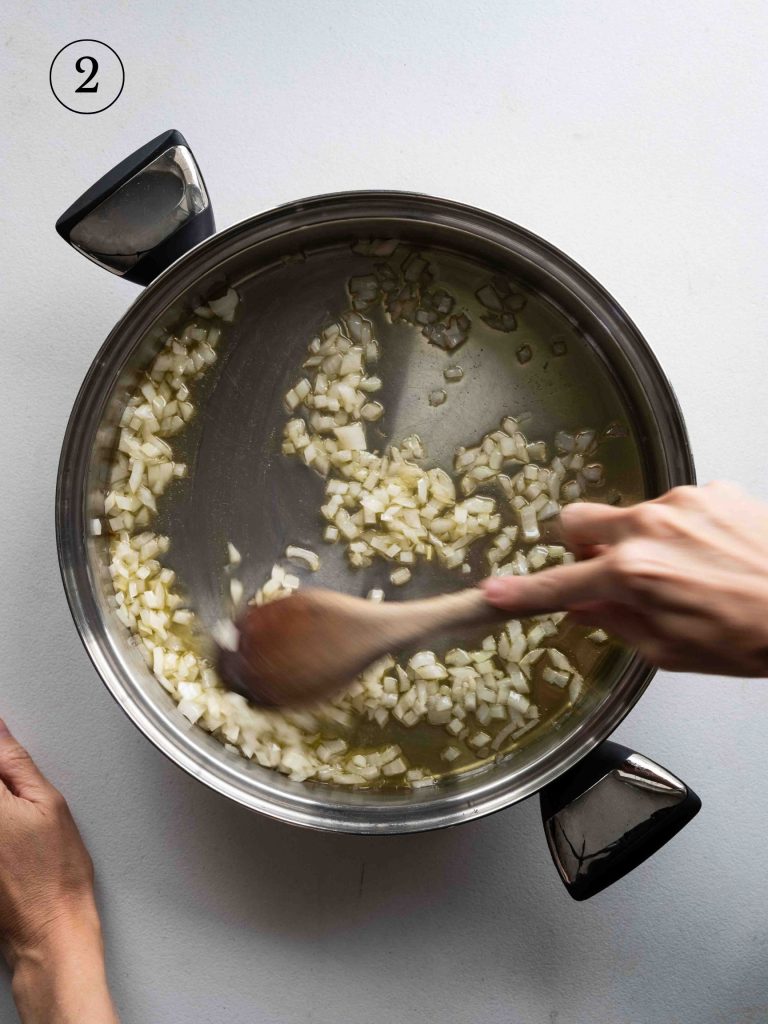
- Heat the olive oil and saute the diced onion.
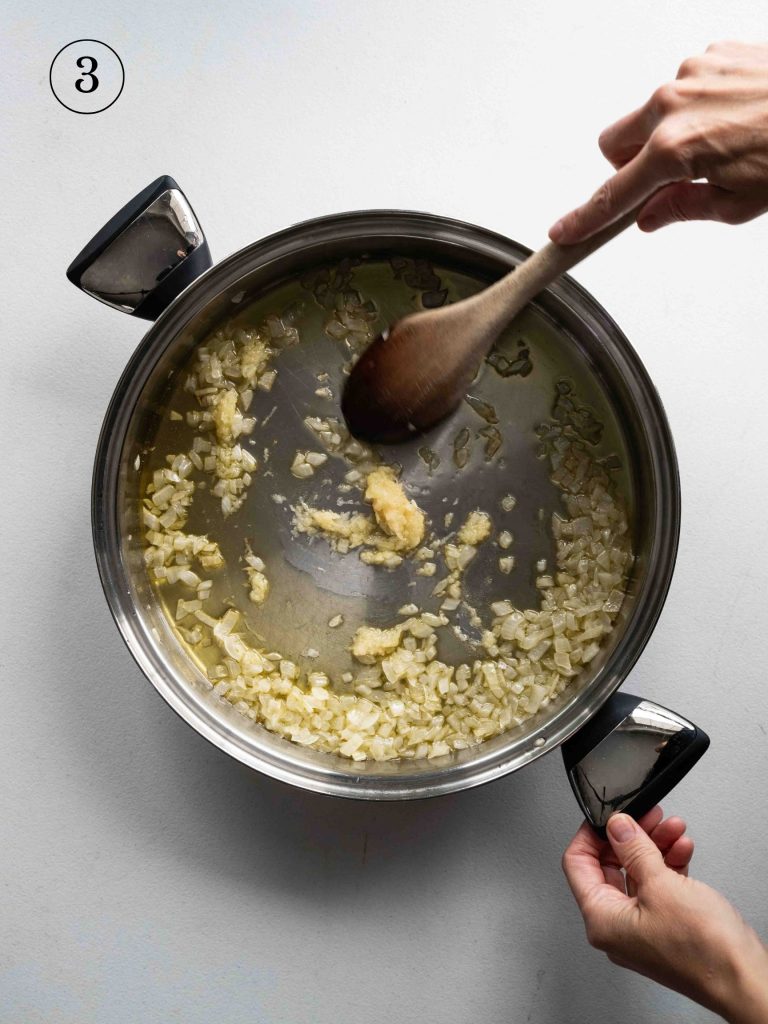
- Add the garlic and cook until fragrant.
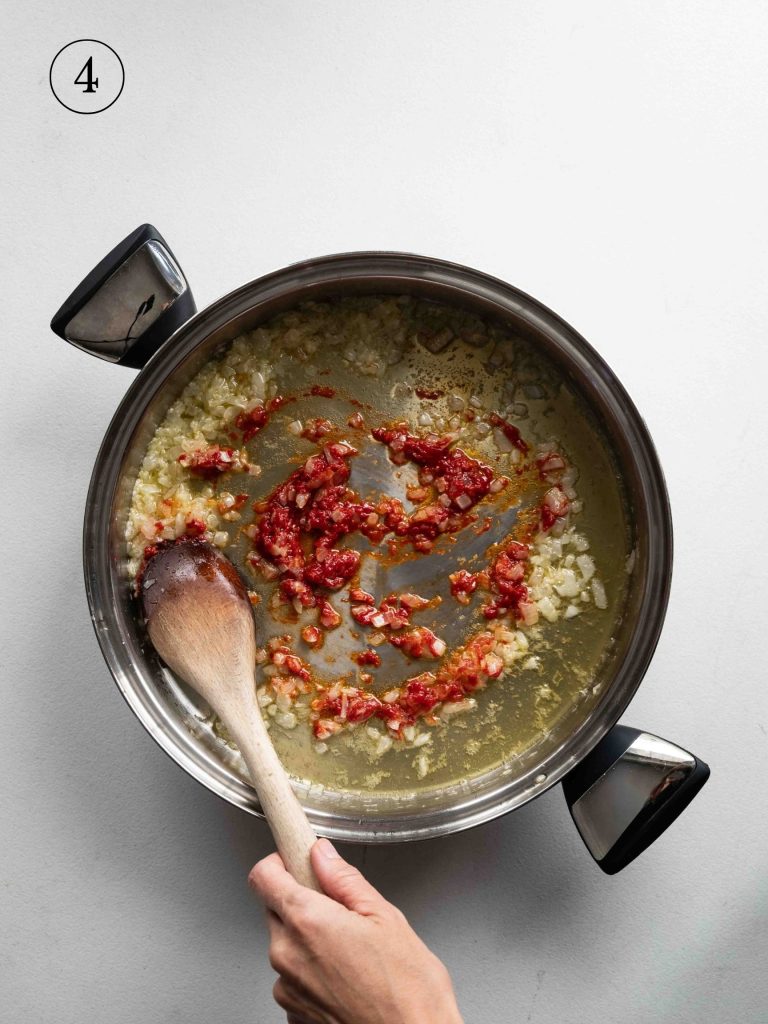
- Add in the tomato paste and stir.
- Add in the mashed tomatoes, salt and oregano and stir to combine.
- Bring to a light boil and then simmer uncovered for roughly 1 hour, stirring occasionally.
- Optional step: if you prefer a smoother sauce, use a masher or immersion blender to smooth the sauce as desired.
- Stir in the basil leaves and cook wilted and fragrant. Remove from heat and serve as needed.
Helpful Tips
- Choose Quality Ingredients: the best tomatoes make the best sauce. Because there are so few ingredients in this recipe, the quality of each really matters.
- Choose the Right Tomato: those with less seeds and denser flesh are generally used for sauces. Varieties like Roma, San Marzano, Amish Paste are several that work for this recipe. However, I often use a combination of Roma's, Italian sauce tomatoes and Slicers that I grow in my garden. Avoid using cherry tomatoes as they generally have thicker skins, more seeds and less flesh overall.
- Ripe Tomatoes: In addition to choosing the right type, make sure you use ripe tomatoes for this recipe. This means choosing tomatoes when they are in season in your area—those mealy, pale, store bought tomatoes will not work here. Not only does ripeness make prepping the tomatoes easier, it ensures they are at their peak flavour. I even venture as far as to use overripe ones, so long as they are still edible and tasty.
- Simmer Low & Long: Use the lowest simmer on your stove while still ensuring the sauce is bubbling away yet not browning. A long slow simmer and occasional stirring is what creates the beautiful texture and maintains the fresh flavour of classic marinara.
- Blend for Smoothness: This is an optional step depending on whether you like a chunky, smooth or in between sauce. Use an immersion blender or non-reactive food mill instead of a hand masher to get the sauce to your desired consistency.
- Use Non-Reactive Cookware: Enamel coated cast iron or stainless steel cookware and utensils prevent the sauce from taking on a metallic taste.
Storing Fresh Tomato Marinara Sauce
- Storing: store homemade marinara sauce in an airtight container in the fridge for up to 3 days.
- Freezing: bring the sauce to room or fridge temperature and ladle into a freezer safe container or bags. Label and freeze up to 3 months.
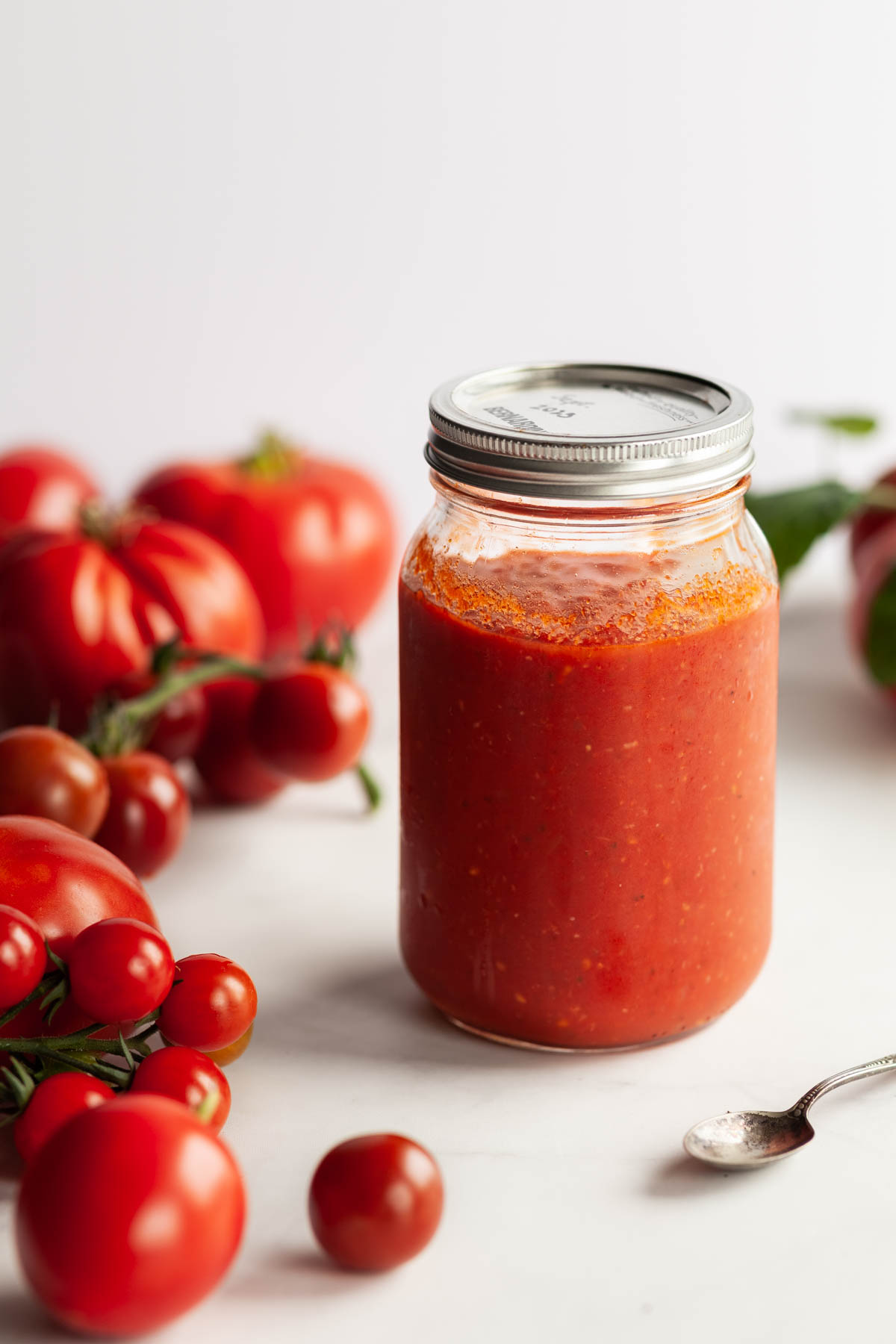
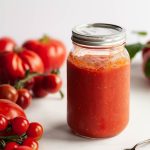
- Freezing in Glass: If you freeze marinara sauce in glass jars, like I do, be sure to use clean, straight sided wide mouth jars, as opposed to those with "shoulders" that taper up near the opening (like the one pictured in this post—that jar was kept in the fridge and not frozen). Leave 1-2 inches of head space at the top of the jar so the sauce has room to expand as it freezes (otherwise, it will crack the glass). Tighten the lid after the sauce has been fully frozen.
- Freezing in Bags: Label the freezer bags first, then portion the cooled sauce and freeze flat.
- Defrosting: transfer the container or bag of frozen sauce to bowl of cold water and allow to defrost. Glass jars will take about 1 hour depending on their size. whereas freezer bags will generally defrost in about 20 minutes, again depending on size and thickness. Alternatively, move the frozen sauce to the fridge to defrost overnight. I like to place it on a small dish or in a bowl to catch condensation or in case there are any leaks.
For information on safe food handling and storage, please visit: the Government of Canada Food Safety website, USDA Food Safety Inspection Agency website or your country's official food safety website.
How to Serve
- Toss fresh tomato marinara sauce with fresh cooked pasta.
- Combine it with white or pinto beans (such a stellar combo).
- Use in lasagne or other baked pasta dishes calling for tomato sauce.
- Spread a thick layer of warmed sauce on toast.
- Use homemade marinara sauce as a dip for focaccia, fougasse or bread sticks.
- I often use this recipe on pizza instead of traditional pizza sauce.
FAQ's
I have not developed nor tested this recipe for canning/heat processing and so I am unable to confirm whether this would work or be safe. Freezing the sauce is my preferred method of storage.
You can substitute canned whole tomatoes, although the final flavour of the sauce will change. Avoid tinned tomatoes packed in prepared tomato juice or those with added spices or flavours. Use quality peeled Italian plum tomatoes (or San Marzanos) packed in their own juice and use roughly 2.5-28oz cans for this recipe. Mash them well and be sure to remove any skins, woody membranes or seeds. Depending on the amount of liquid in the cans, you may need to simmer and reduce the sauce for longer than an hour.
Homemade Fresh Tomato Marinara Sauce
Ingredients
- 4½ lbs (2000g) fresh tomatoes, quartered, stem ends removed
- ⅓ cup extra virgin olive oil
- 1 small (110g) yellow onion, finely diced, (about ¾ cup)
- 2 tablespoon tomato paste
- 3 cloves garlic, peeled and finely diced
- 1½ teaspoon kosher salt
- 1 teaspoon dried oregano
- 8-10 fresh basil leaves, roughly torn or chopped
Instructions
- Using clean hands, gently remove as many of the seeds as possible from the tomato quarters. Add the tomato quarters to a non-reactive bowl and, using clean hands, squeeze and mash them, taking care to remove the skins and any woody bits as you go. Set aside.4½ lbs (2000g) fresh tomatoes
- In a large non-reactive saucepan, heat the olive oil over medium. Add the diced onions and cook until just starting to turn translucent (about 5-6 minutes). Add the garlic and cook stirring frequently until fragrant (about 30 seconds).⅓ cup extra virgin olive oil, 1 small (110g) yellow onion, finely diced, 3 cloves garlic
- Stir in the tomato paste and cook until the onions and garlic are coated and it becomes fragrant. Add in the crushed tomatoes, salt and oregano and give everything a good stir to combine.2 tbsp tomato paste, 1½ tsp kosher salt, 1 tsp dried oregano
- Increase the temperature and bring the mixture to a light boil. Then reduce the heat to a low simmer, stirring occasionally, until the tomatoes are broken down, the liquid has reduced and the sauce thickens (about 50-60 minutes).
- Stir the basil leaves. The sauce is ready when the basil leaves are wilted and start to become aromatic. Remove from heat and serve as needed.8-10 fresh basil leaves
Optional:
- For a smoother sauce, use a potato masher, immersion blender (watch out for splatter), or carefully ladle into a food processor or food mill and puree the sauce to your desired consistency.
Heidi's Notes
- Using Canned Tomatoes: If tomatoes are out of season, use quality tinned whole, peeled Italian plum tomatoes (preferably San Marzano's) packed in their own juice. Avoid tinned tomatoes with added flavourings, spices or "tomato juice". Use approximately 2.5 x 28oz cans. Depending on the amount of liquid in the cans, you may need to simmer and reduce the sauce for longer than an hour.
- Storing: store the finished sauce in an airtight container in the fridge for up to 3 days.
- Freezing: bring the sauce to room or fridge temperature and ladle into a freezer safe container or bags. Label and freeze up to 3 months.
- Freezing in Glass: If you freeze marinara sauce in glass jars, like I do, be sure to use clean, straight sided wide mouth jars, as opposed to those with "shoulders" that taper up near the opening (like the one pictured in this post—that jar was kept in the fridge and not frozen). Leave 1-2 inches of head space at the top of the jar so the sauce has room to expand as it freezes (otherwise, it will crack the glass). Tighten the lid after the sauce has been fully frozen.
- Freezing in Bags: Label the freezer bags first, then portion the cooled sauce and freeze flat.
- Defrosting: transfer the container or bag of frozen sauce to bowl of cold water and allow to defrost. Glass jars will take about 1 hour depending on their size. whereas freezer bags will generally defrost in about 20 minutes, again, depending on size and thickness. Alternatively, move the frozen sauce to the fridge to defrost overnight. I like to place it on a small dish or in a bowl to catch condensation or in case there are any leaks.
Nutrition
This is an approximation of the nutrition offered in this recipe, and is created using a nutrition calculator. I am not a nutritionist and cannot guarantee accuracy. If your health depends on nutrition information, please calculate again with your preferred calculator.
Disclaimer
all recipes on The Simple Green are developed and tested in a Canadian kitchen, at normal elevation, using electric appliances and ingredients available in Canada. Results may vary.

About Heidi Richter
Hi there! I'm Heidi, the professional recipe developer, food writer and photographer behind The Simple Green. Here you will find dozens of flavourful, approachable and well-tested recipes inspired by fresh seasonal ingredients you know and love.