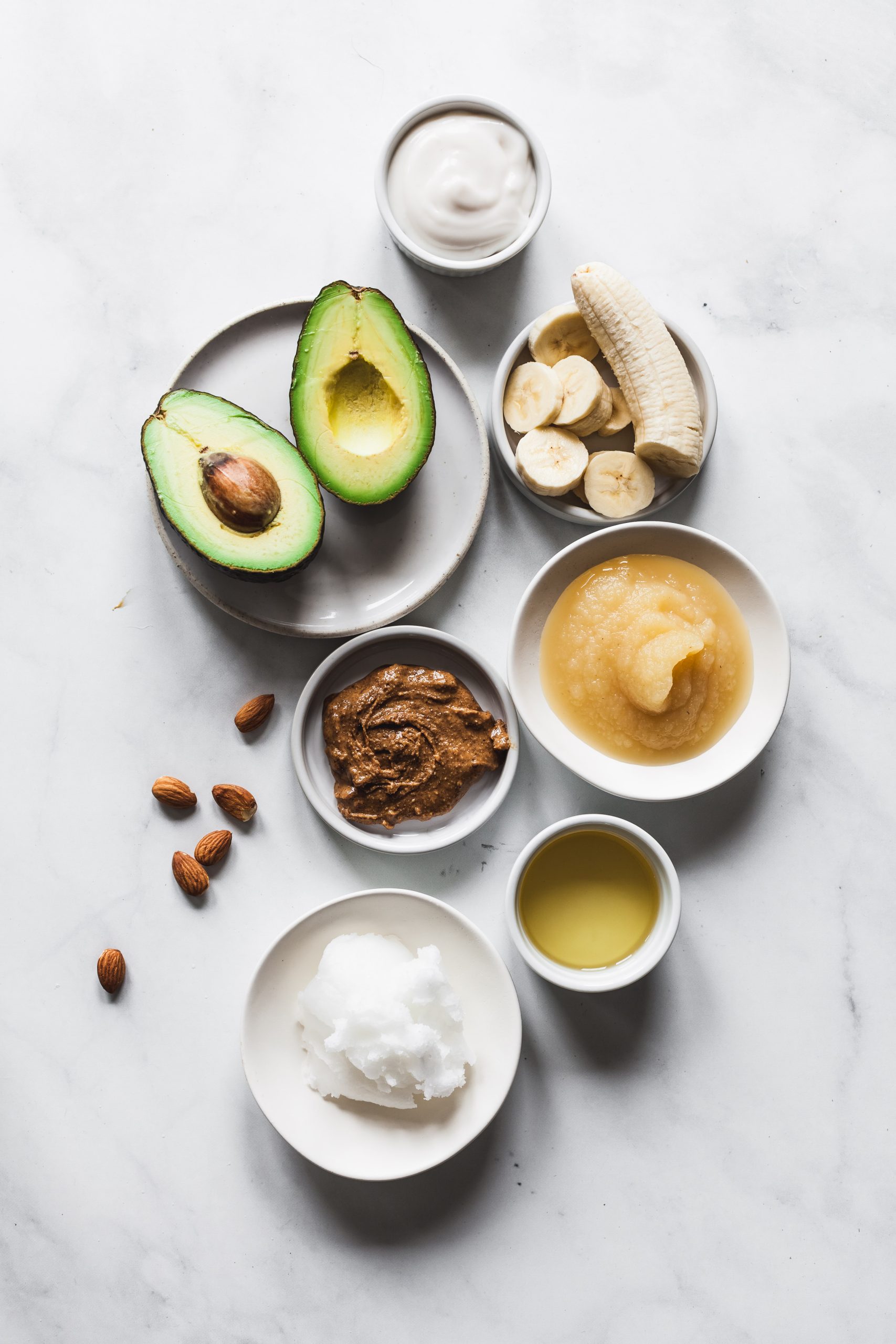
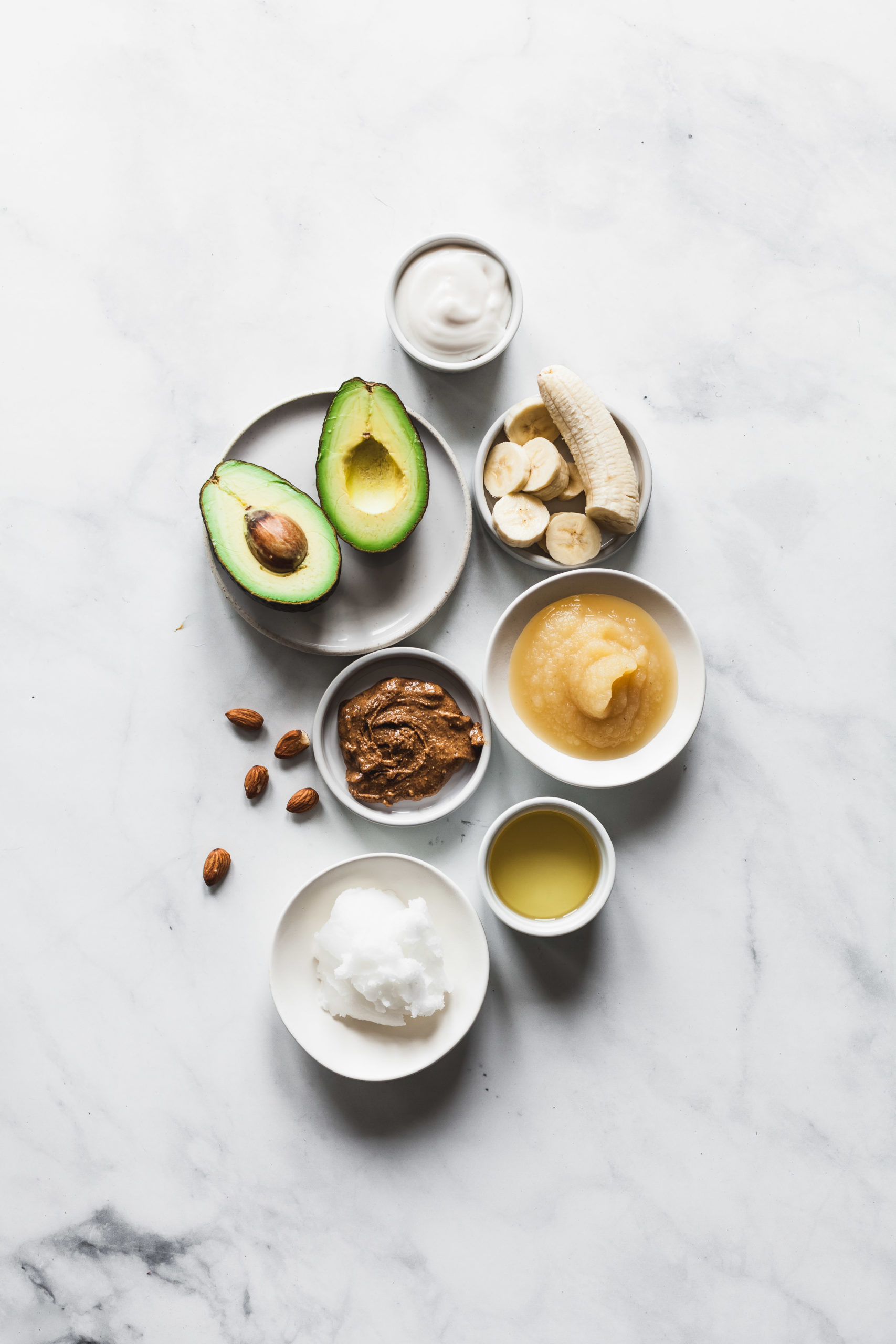
Learn how to use these 10 vegan butter replacements in your home baking. Butter is a key ingredient in many traditional recipes; it helps leaven, provides stability, creates fluffy or flaky texture and a rich flavour. However, there are many instances where you may need to replace that churned brick for personal dietary choices or for allergy/intolerance reasons.
This post will show you how and when to use 10 vegan butter replacements to help you get good results without dairy. Also included are links to some of my favourite recipes using these common butter replacements.
Jump to:
Important Note Before You Proceed
Word to the wise, several of these substitutes have their own distinctive flavours and traits which could substantially alter the results of your baked goods. Because certain substitutes contain more moisture or natural sugars, this can change the texture or sweetness of a recipe. As a result, read the notes to make an informed choice as to which one may work best for your particular needs. Not all of these will work in every situation.
Fat Based Alternatives
1. Refined Coconut Oil- this is my number 1 choice because it easily mimics butter in many recipes. Coconut oil is hard to semi-solid at room temperature like butter; however, coconut oil tends to melt faster and may liquefy if it’s worked too long, or if ambient temperatures are high. Coconut oil is best used when it’s softened, not liquid, especially if it’s being used for frosting or pie crust. One other downside is its flavour. If you’re not fond of the taste, opt for refined coconut oil which has little to no taste. Though, in some instances, the flavour of unrefined coconut oil can complement a recipe, especially with tropical fruits like pineapple.
- Ratio: 1:1 ( e.g. 1 cup of coconut oil replaces 1 cup of butter).
- Best for: pastry, cakes, breads and sweet breads, frostings, scones, cookies, brownies, biscuits, crisps and crumbles. Try my vegan apple cinnamon galette which uses coconut oil for the pastry.
2. Vegan Butter products- If your goal is simply to avoid dairy, vegan and dairy-free butter alternatives can be fail proof choices. Try to avoid products containing palm oil or hydrogenated fats (margarine, for example). Some vegan butters may contain added salt, so you may need to adjust the salt in your recipe or choose one that doesn't contain added sodium. I love baking with Miyoko's creamery vegan butter when the need arises.
- Ratio: 1:1
- Best for: cakes, muffins, quick breads, pastry and tarts, frostings, cookies, brownies, crisps, crumbles (pretty much anywhere butter is used)
3. Vegetable Oil –Vegetable oils like avocado or olive oil contain healthy fats and can be used in many recipes that call for butter. However, because vegetable oils are liquid, they won’t work in recipes that call for any “creaming” or “piping”. As well, some oils have more flavour than others (olive oil, for example), and could alter the final taste of your recipe. Opt for a neutral tasting oil like avocado or canola oil if you want to avoid competing flavours. Olive oil can work well with recipes that contain nuts, chocolate, or savory herbs. I love to use extra virgin olive oil in may of my cake recipes, one of my most popular being this vegan apple spice cake.
- Ratio: approximately 3:4 (approximately ¾ cup of olive oil replaces 1 cup of butter). However, if you want to make a 1:1 conversion, simply reduce the liquid measures in your recipes or add more dry ingredients.
- Best for: cakes, muffins, breads and sweet breads, cookies, biscotti, quickbreads and some pastries like tarts shells and olive oil pie crust used in my vegan pumpkin pie recipe (note that these will not be as flakey as they are with butter).
Fruit Based Alternatives
4. Applesauce or Apple Butter – If you want to reduce fat and sugar content in a recipe, applesauce or apple butter may be your best friend. They lend both natural sweetness and moisture to your baked goods. However, because applesauce and apple butter have natural and varied water content, it may be necessary to reduce the liquids in your recipe or add more flour if need be. I've even used apple sauce to create a stellar base for a vegan frangipane filling in my vegan french apple tart.
- Ratio: 1:1, but decrease liquids if necessary.
- Best for: muffins, cakes, quick breads, cake-y brownies
5. Mashed bananas- like applesauce, if you want to reduce fat and sugar content in a recipe, mashed bananas are an option Again, because they naturally contain water, it may be necessary to adjust the liquids in your recipe or add more flour. It’s also worth noting that unlike applesauce, bananas have a distinctive flavour which remains after baking; if you’re not fond of it, look to another replacement.
- Ratio: 1:1, decrease liquids if need be.
- Best for: cakes, muffins, quick breads, “healthy” cookies, and brownies, especially when you want a banana flavour. My vegan banana bread breakfast cookies make good use of fresh mashed bananas.
6. Mashed Ripe Avocado- due to their colour, avocados work best in chocolate recipes. Avocados have less natural water than other fruit-based replacements and can even be used for piping or frosting.
- Ratio: 1:1
- Best for: chocolate cakes, chocolate frostings, chocolate cookies, and brownies. It can even be used as a tart filling, or in chocolate puddings or my vegan chocolate avocado mousse.

Vegetable Based Alternatives
7. Pumpkin Puree- pumpkin is similar to applesauce, bananas or avocados in baking. The flavour and colour of pumpkin can be disguised in most recipes, but works really well with chocolate.
- Ratio: 3:4 adjust any liquids if need be.
- Best for: cakes, muffins, quick breads
8. Sweet Potato Puree– Like pumpkin, sweet potato can be used in a similar way. It contains less moisture than pumpkin and works particularly well in piped chocolate frostings. My vegan triple chocolate sweet potato cupcakes use this ingredient in the base and frosting.
- Ratio: 3:4 again, be mindful of the moisture content and adjust any liquids if need be.
- Best for: cakes, muffins, quick bread, and even chocolate sweet potato frosting.

Other Alternatives
9. Full Fat Plain Dairy-Free Yogurt- plain yogurt can add both richness and a tangy flavour to your baked goods. It adds moisture, but can also make baked goods dense. As such, it’s not an ideal replacement, however, I have found full fat dairy-free yogurts can work quite well when in a pinch.
- Ratio: ~1:1, reduce the amount of other liquids in the recipe or increase the dry ingredients to compensate if need be.
- Best for: brownies, muffins, quick breads.
10. Nut butters- Nut butters are rich and full flavour. They work best in recipes where you want to highlight their taste or complement another one, such as chocolate. Opt for natural nut butters instead of hydrogenated “creamed” ones, although the later can work as well. However, because natural nut butters have a liquid oil component to them, they won’t work that well for creaming or piping. Because the oil separation can vary depending on the brand or how old the nut butter is (the stuff at the bottom of the jar tends to be quite dry if it wasn't stirred properly), they can make your baked goods dense or crumbly. Overall, it's best to use a fresh jar that has been well stirred to fully incorporate the oil. Moreover, choose a brand that is unsalted otherwise you could end up with an overly salty final product. My chewy peanut butter oatmeal cookies make good use of nut butter as a butter replacement.
- Ratio: 1:1
- Best for: cookies, brownies
Did you try any of these vegan butter alternatives in your recipes? If so, leave me a comment below and don’t forget to share your creations by tagging @the_simple_green on Instagram.