
Bundt pans might seem intimidating for the newly seasoned bakers, however, these gorgeous pans aren’t as intimidating as they seem. With the following tips and tricks, you can learn how to use a bundt pan to create gorgeous, showstopper cakes and reduce the chance of broken edges, cracks and, worst of all, not actually getting the cake out of the pan.
I love making bundt cakes for many reason, most of all because they can elevate a simple cake into something a little more noteworthy and impressive. They're also a staple for holiday season—my vegan chocolate peppermint ganache cake being one of those staples, along with my vegan apple spice cake recipe.

8 Essential Tips for Baking in Bundt Pans
Making the perfect Bundt cake is not as hard as it looks. Using these 8 tips, you can impress your family and friends with a beautiful cake with less chances of mishaps.
1. Check the Recipe
Ensure the recipe you’re making is suitable for a Bundt pan. Angel food cake, for example, will not work and result in the cake sticking to the mold. Bundt pans are best for heavy or more dense cakes (e.g. Pound cakes).
2. Grease the pan well
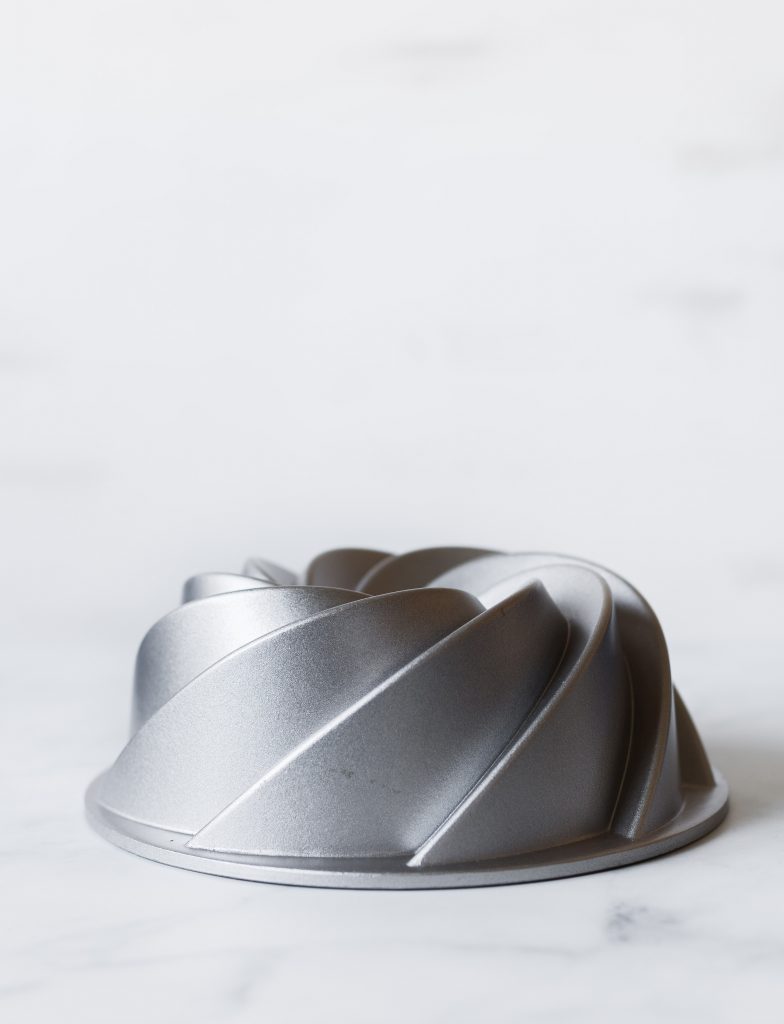
Even If your pan is non-stick, I still recommend giving it a thorough greasing just before adding the batter. Don’t forget to grease the middle tube! A pastry or silicone brush will work wonders for getting into small crevices. Vegetable oil seems to work best as butter may actually cause your cake to stick due to the presence of milk solids. If you’re pan is particularly prone to sticking, use a light dusting of finely ground almonds after greasing to create the desired barrier between the cake and the pan.
3. Think Upside-Down
Bundt pans are inversion molds, meaning anything you want on the top of the cake should be added to the pan first (e.g. coffee cake crumble, nuts, fruit, etc.). However, this doesn’t include frostings or glazes… save those for when your cake is inverted and fully cooled.
4. Spoon the Batter
You want to spoon or ladle the batter into the pan as opposed to pouring it. This technique will help prevent air pockets from forming. Trapped air may create a cratered appearance on your cake and make removing it from the pan a challenge.
5. Filling the Bundt Pan
Fill your pan only ⅔ full to prevent batter from spilling over the sides during baking. Standard Bundt pans are approximately 10” in diameter and can hold about 12 cups of batter, although, you don’t want to fill them to capacity! Most importantly, check your recipe in advance to ensure you have the right size pan (this ties in with tip #1).
6. Cooling
Once your cake is baked per your recipe’s directions, remove it from the oven and cool it in the pan before inverting. Inverting a hot Bundt cake can result in the crumb sticking and or breaking. If your recipe is silent on this, start with 15-20 minutes to err on the side of caution. Then, proceed with tip number 7!
7. Inverting
A long thin butter knife or flexible silicone spatula inserted gently around the edge and centre tube will help release the cake from the pan. If the batter bakes over the centre tube, carefully cut off that portion of the crumb to reveal the tube again. Then, using the inversion method, place the cooling rack on top of the pan and firmly hold them together while you flip the pan over. Make sure to use oven mitts if your pan isn’t cool enough to handle! If you don’t feel the cake drop, give the pan a few taps to encourage it along. Once you feel the cake drop onto the rack, gently lift off the pan, et voila!
8. Caring For Your Bundt Pan
Proper care will allow your pan to perform well for years. Thoroughly wash it by hand unless it’s dishwasher safe (check with your manufacturer if you’re unsure). Store it inverted so it won’t scratch or collect dust. If your pan is particularly beautiful or an antique, you may want to safely and securely hang it on the wall. If your pan has damage or is peeling or cracking on the surface, sadly, it may be time to replace it. Even with proper greasing, a damaged pan won’t provide the results you’re after.
Bonus Tip
9. Substituting
If you’re planning to alter a recipe destined for a Bundt pan, be mindful that ingredient substitutions could potentially cause the cake to stick to the pan or even break. Exchanging or reducing ingredients like eggs or sugar may result in less structure to your cake. Moreover, some flours (Spelt for example) contain less gluten and will make for a ‘softer’ crumb more prone to breaking. My personal experience when using Spelt (and omitting eggs) is to use a fairly spacious Bundt mold without intricate patterns or small crevices.
Frequently Asked Questions
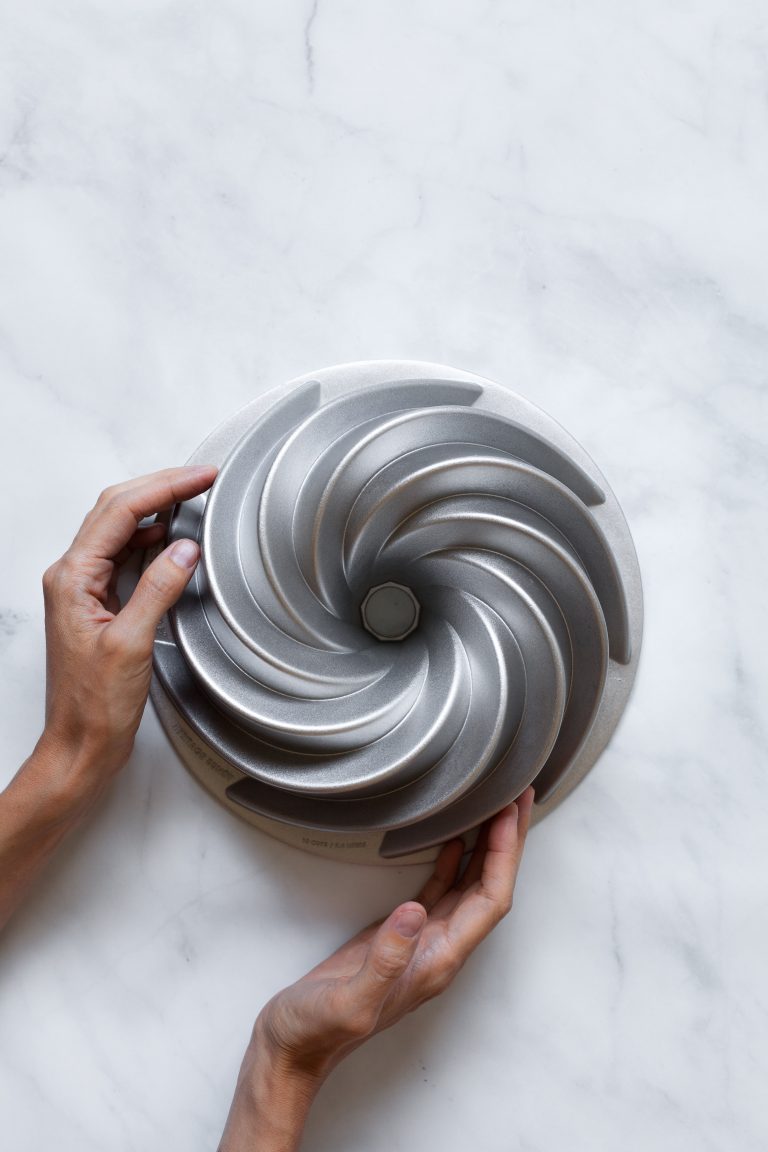
‘Bundt’ pans are essentially molded cake pans with a hollow center tube which creates a patterned ring of cake. The name 'Bundt' is used in a generic way to refer to traditional ‘Kugelhopf’ or 'Bundkuchen' molds from Germany and Austria. Commercially, you may also see these pans labelled as ‘fluted tube pans’ to avoid trademark infringement (see below).
Yes. The term ‘Bundt’ is a actually trademark. Aluminum ‘Bundt’ pans were originally created and trademarked in 1950 by the American cookware manufacturer, Nordic Ware.
Trademark aside, Bundt cakes, or ‘Bundkuchens’ as they’re were traditionally called, have been around for centuries and likely originated in Germany or Austria. They have historically been referred to as Kugelhopfs as well.

If you made found these tips helpful, please leave me a comment below with a star rating; it really helps others who are interested in giving them a try. For more from The Simple Green, follow me on Instagram, Facebook or Pinterest. Consider becoming a subscriber to receive emails of new recipes and posts.